


jogos da copa do mundo de hoje: Match Previews for Brazil in 2026
Next Matches
These are the next appointments, not last night's scoreboard. Check the time column first if you are planning what to follow live, then read the pairing.
The World Cup schedule changes with each round, and a good preview helps you understand more than just the kickoff time. On this page, we bring together context for following the competition’s matches in 2026: the teams’ current form, possible lineup adjustments, fitness conditions, and tactical elements that could decide a match. If you’re asking “what are today’s World Cup matches,” first check the match section updated by the portal and use these analyses as an editorial guide, not as a substitute for official confirmation. Times may vary according to local schedules and broadcasts, so check the date, time zone, and any announcements before planning your day. Our aim is to offer clear insights for newcomers and useful details for fans who already follow international football.
Official site: jogosdacopadomundodehoje.mobi.
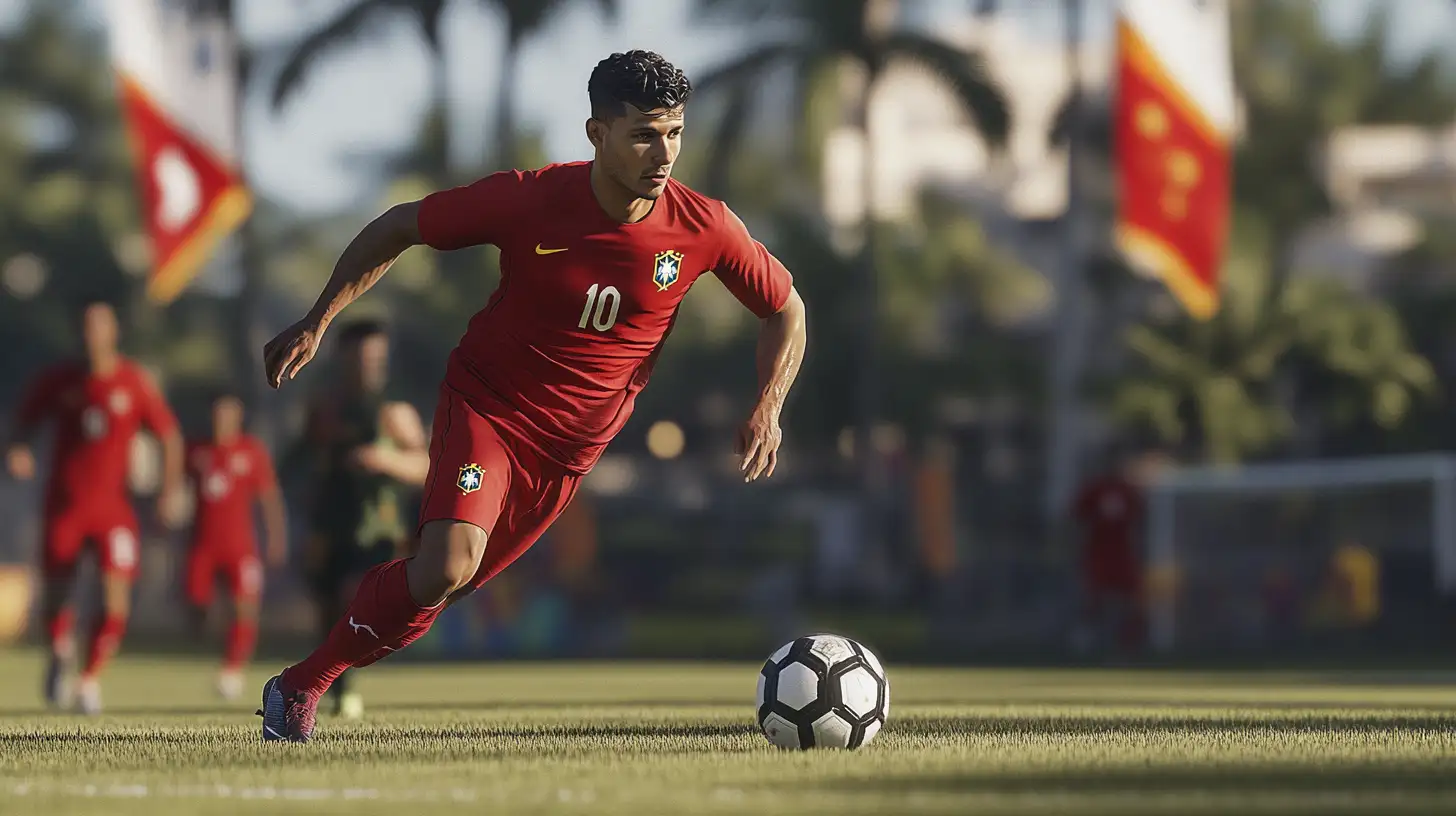

How to interpret matchups before kickoff
A useful preview separates confirmed facts, observable trends, and questions that remain open.
Context first, predictions second
In a World Cup, the packed schedule calls for attention to recovery between matches, travel, and the possibility of squad rotation. When looking for today’s World Cup matches, consider the tournament stage and what each team needs to do to advance. In the group stage, goal difference, discipline, and head-to-head results can become important; in knockout matches, risk management and reading the flow of the game tend to carry more weight. Check the standings alongside the competition’s official rules, since tiebreakers may depend on the edition.
It is also worth distinguishing performance from result. One team may control possession without creating clear chances, while another may defend in a compact block and attack with just a few passes. For a balanced analysis, combine indicators such as shots, entries into the penalty area, set pieces, and turnovers with the match context: the opponent’s level, the state of the pitch, and changes made during the game. These signs do not guarantee what will happen; they help you ask better questions and follow the matchup more closely.
What to watch in today’s World Cup matches
Tempo and tactical shape
Before kickoff, see whether the teams tend to press high or protect their own penalty area. The defensive line’s height, the distance between midfield and attack, and the speed of regaining possession indicate how the matchup might unfold. A team that starts with intense pressure may seek an early territorial advantage, but it needs to manage fatigue. A deeper block may prioritize transitions and set pieces. The official lineup helps confirm whether there are pacey wingers, a target striker, or an extra midfielder. If you’re learning the game, also watch the first ten minutes: they often reveal the initial approach, although they do not determine the rest of the match.
Availability and substitutions
Injury news should be read with caution. “Being assessed,” “a doubt,” and “left out of the squad” do not mean the same thing, and the most reliable confirmation comes from the national team or tournament organizers. Suspensions, workload management, and gradual returns also influence the coach’s selection. If a regular starter is unavailable, look at who takes their place and whether the change affects the team’s balance, rather than assuming performance will automatically decline. During the match, substitutions may respond to cards, fatigue, or the need for more attacking presence. Editorial analysis records these factors without presenting unconfirmed medical information.
History without myths
Previous meetings help explain rivalries and styles, but they are not a script for the next encounter. Squads, coaching staffs, and competitive form change between editions. Rather than repeating scores out of context, it is worth looking for patterns: does one team usually find space out wide? Does the other defend the edge of the penalty area well? How does each perform at corners and wide free kicks? The history may also show a balanced rivalry or prolonged dominance, but it needs to be compared with recent form and the current generation of players. This way, past meetings add context without turning coincidences into certainties.
Form, lineups, and history: three layers for a complete preview
Recent form with an appropriate sample
The last five matches can offer an initial snapshot, but should not be treated as a definitive measure. Consider the opponents’ level, the venue, the competition, and squad rotation. A run of results can hide important differences: wins with few chances created, matches decided by set pieces, or games in which the team came under pressure for long periods. If the platform provides performance indicators, check the update date and the definition of each metric. Comparing equivalent data helps avoid hasty conclusions, especially when teams arrive at the tournament after different schedules.
Home advantage is interpreted differently in a tournament played across multiple venues. Travel, climate, and crowd support can influence preparation, but the impact depends on the location and the groups involved. For Brazilian audiences, time conversion deserves attention: matches in different time zones may appear on different dates in the local schedule. The jogos da copa do mundo de hoje match preview page should be read alongside the updated schedule, which is the reference for changes to kickoff times or stadiums.
National teams and tournaments that help put the season in context
The notes below are editorial references about real competitions; they do not indicate matches confirmed for a specific date.

Brazil
Following the team means looking at build-up from the back, creativity between the lines, and efficiency from set pieces. Before each fixture, check the official squad list and the players’ fitness; club form provides context, not a guarantee of international performance.
Follow matches
Argentina
Assessing the team involves considering its experience in high-pressure matches, its use of midfield, and its options for speeding up play down the wings. Follow generational changes and the roles of the starters, as well as confirmed availability information for each round.
View previews
France
The depth of the squad allows for different combinations of speed and physical strength. In previews, watch how the midfield supports the forwards and whether the team can control defensive transitions. The final squad list and starting eleven are essential for confirming each scenario.
Check matches
Spain
Possession and quick passing are often points of analysis, but a single statistic does not explain the quality of chances. See whether the team advances through the middle or down the flanks, and how it responds when it loses the ball in the attacking half.
Read analyses
Customer Support
Online • Here around the clock